

Un mondo senza il nucleare è possibile
×Dichiarazione di Yokohama per un Mondo Libero da Nucleare
il testo in inglese:
Yokohama Declaration for a Nuclear Power Free World
The 11 March 2011 earthquake, tsunami and related melt down at the Fukushima Daiichi nuclearpower plant has led to great suffering for the people of Japan and has increased radioactivecontamination across the globe. It has also sounded a warning bell throughout the world about thelong-term health, environmental and economic risks of nuclear power.As with Three Mile Island and Chernobyl, the accident at Fukushima has reminded us once again thatnuclear technology is unforgiving and accidents cannot be contained. The situation is not undercontrol as declared by the Japanese Government. The nuclear power plant is still unstable andworkers continue to work under life-threatening conditions.Radioactive contamination is spreading. This is a regional and global emergency. People are eitherforced to flee with their children or live with unacceptable health dangers and prolonged radiationexposure. In Fukushima prefecture, evidence of radioactive material has been found in the breast milkof mothers and the urine of children. Lives are threatened, including those of future generations. Theregional economy has been destroyed.Every step in the nuclear fuel chain has created Hibakusha, a term initially used to describe survivorsof the Hiroshima and Nagasaki bombs, but now used for all victims of radiation exposure. Uraniummining, nuclear weapons testing, accidents at nuclear power plants, and the storage and transport ofnuclear waste have all created Hibakusha.The experience of these Hibakusha around the world is one of secrecy, shame and silence. The rightto information, health records, treatment and compensation has been inadequate or denied withexcuses of “national security” or due to cost. This lack of accountability is not limited to Japan, but is aproblem fundamentally present in the nuclear industry everywhere due to the corrupt relationshipbetween governments and the nuclear industry.We now stand at a crossroads. We have the choice to break out of the nuclear fuel chain and movetowards efficient, renewable and sustainable energy that does not threaten health or environment. Forthe sake of future generations, it is our responsibility to do so. Turning away from nuclear energy goeshand in hand with nuclear weapons abolition, and will contribute to lasting world peace.The global solidarity shown towards the people of Fukushima and the spirit of those gathered at theYokohama Global Conference for a Nuclear Power Free World demonstrates that connectionsbetween people are truly what will create the foundations for our future.We call for:1. The protection of the rights of those affected by the Fukushima nuclear power plantaccident; including the right to evacuation, health care, decontamination, compensation andthe right to enjoy the same standard of living as before 11 March 2011;2. Full transparency, accountability and responsibility of the Japanese Government andthe Tokyo Electric Power Company (TEPCO) and the establishment of an independent bodyto disseminate information to the public to reverse the history of concealing information fromthe public and releasing contradictory information.3. Ongoing comprehensive data collection and radiation measurement of humans, food,water, soil and air to inform the urgent and necessary measures to minimise the populationsexposure to radiation. Data collection will be necessary for generations and inter-agencygovernmental undertakings and the support of the international community are required.Corporations that have profited from the nuclear industry should carry their share of the costs.4. A global road map for the phase out of the nuclear fuel cycle – from uranium mining towaste – and the decommissioning of all nuclear power plants. The 'safety myth' hasbeen destroyed. Nuclear technology has never been safe and has never survived withoutmassive public subsidies. Renewable energy is proven and ready to be deployed on adecentralised and local scale if only policies to promote it were advanced to support localeconomies, such as Feed-in-Tariffs.5. Currently closed Japanese nuclear power plants to not be reopened. Japan's energyneeds can be met by implementation of the Feed-in-Tariff law that has been adopted and thestructural separation of ownership of transmission and production of energy.6. The prohibition of export of nuclear power plants and components, especially toindustrialising nations in Asia, the Middle East, Africa and Europe.7. Support for local and municipal authorities that play an important role in creating asociety not dependent on nuclear power. We encourage solidarity between local municipalleaders, regional parliamentarians and civil society to promote strong communities,decentralization, bottom up approaches and an end to economic, racial and genderdiscrimination.8. Actions, demonstrations, seminars and media events to be held throughout the worldon 11 March 2012 to protest the treatment of the citizens of Fukushima and call for a nuclearpower free world.Based on the above principles, the participants of the Global Conference have launched the “Forest ofAction for a Nuclear Power Free World”, containing concrete plans for action. These manyrecommendations will be submitted as appropriate to the Japanese Government, governments ofother nations, the United Nations Conference on Sustainable Development (Rio+20) and so on.Over 10,000 people came to the Global Conference for a Nuclear Power Free World in Yokohama,and 100,000 watched online. We, the participants are determined to maintain an international networkto support Fukushima, cooperation among those affected by radiation through the Global HibakushaNetwork, the establishment of the East Asia Non Nuclear Power Declaration Movement, and anetwork of local municipal leaders and mayors.15 January 2012Declared at the Global Conference for a Nuclear Power Free WorldYokohama, JapanThis Declaration was drafted by the Organizing Committee of the Global Conference for a NuclearPower Free World, and is supported by participants from around the world.
http://npfree.jp/download/yokohama_declaration_en.pdf
il testo in inglese:
Yokohama Declaration for a Nuclear Power Free World
The 11 March 2011 earthquake, tsunami and related melt down at the Fukushima Daiichi nuclearpower plant has led to great suffering for the people of Japan and has increased radioactivecontamination across the globe. It has also sounded a warning bell throughout the world about thelong-term health, environmental and economic risks of nuclear power.As with Three Mile Island and Chernobyl, the accident at Fukushima has reminded us once again thatnuclear technology is unforgiving and accidents cannot be contained. The situation is not undercontrol as declared by the Japanese Government. The nuclear power plant is still unstable andworkers continue to work under life-threatening conditions.Radioactive contamination is spreading. This is a regional and global emergency. People are eitherforced to flee with their children or live with unacceptable health dangers and prolonged radiationexposure. In Fukushima prefecture, evidence of radioactive material has been found in the breast milkof mothers and the urine of children. Lives are threatened, including those of future generations. Theregional economy has been destroyed.Every step in the nuclear fuel chain has created Hibakusha, a term initially used to describe survivorsof the Hiroshima and Nagasaki bombs, but now used for all victims of radiation exposure. Uraniummining, nuclear weapons testing, accidents at nuclear power plants, and the storage and transport ofnuclear waste have all created Hibakusha.The experience of these Hibakusha around the world is one of secrecy, shame and silence. The rightto information, health records, treatment and compensation has been inadequate or denied withexcuses of “national security” or due to cost. This lack of accountability is not limited to Japan, but is aproblem fundamentally present in the nuclear industry everywhere due to the corrupt relationshipbetween governments and the nuclear industry.We now stand at a crossroads. We have the choice to break out of the nuclear fuel chain and movetowards efficient, renewable and sustainable energy that does not threaten health or environment. Forthe sake of future generations, it is our responsibility to do so. Turning away from nuclear energy goeshand in hand with nuclear weapons abolition, and will contribute to lasting world peace.The global solidarity shown towards the people of Fukushima and the spirit of those gathered at theYokohama Global Conference for a Nuclear Power Free World demonstrates that connectionsbetween people are truly what will create the foundations for our future.We call for:1. The protection of the rights of those affected by the Fukushima nuclear power plantaccident; including the right to evacuation, health care, decontamination, compensation andthe right to enjoy the same standard of living as before 11 March 2011;2. Full transparency, accountability and responsibility of the Japanese Government andthe Tokyo Electric Power Company (TEPCO) and the establishment of an independent bodyto disseminate information to the public to reverse the history of concealing information fromthe public and releasing contradictory information.3. Ongoing comprehensive data collection and radiation measurement of humans, food,water, soil and air to inform the urgent and necessary measures to minimise the populationsexposure to radiation. Data collection will be necessary for generations and inter-agencygovernmental undertakings and the support of the international community are required.Corporations that have profited from the nuclear industry should carry their share of the costs.4. A global road map for the phase out of the nuclear fuel cycle – from uranium mining towaste – and the decommissioning of all nuclear power plants. The 'safety myth' hasbeen destroyed. Nuclear technology has never been safe and has never survived withoutmassive public subsidies. Renewable energy is proven and ready to be deployed on adecentralised and local scale if only policies to promote it were advanced to support localeconomies, such as Feed-in-Tariffs.5. Currently closed Japanese nuclear power plants to not be reopened. Japan's energyneeds can be met by implementation of the Feed-in-Tariff law that has been adopted and thestructural separation of ownership of transmission and production of energy.6. The prohibition of export of nuclear power plants and components, especially toindustrialising nations in Asia, the Middle East, Africa and Europe.7. Support for local and municipal authorities that play an important role in creating asociety not dependent on nuclear power. We encourage solidarity between local municipalleaders, regional parliamentarians and civil society to promote strong communities,decentralization, bottom up approaches and an end to economic, racial and genderdiscrimination.8. Actions, demonstrations, seminars and media events to be held throughout the worldon 11 March 2012 to protest the treatment of the citizens of Fukushima and call for a nuclearpower free world.Based on the above principles, the participants of the Global Conference have launched the “Forest ofAction for a Nuclear Power Free World”, containing concrete plans for action. These manyrecommendations will be submitted as appropriate to the Japanese Government, governments ofother nations, the United Nations Conference on Sustainable Development (Rio+20) and so on.Over 10,000 people came to the Global Conference for a Nuclear Power Free World in Yokohama,and 100,000 watched online. We, the participants are determined to maintain an international networkto support Fukushima, cooperation among those affected by radiation through the Global HibakushaNetwork, the establishment of the East Asia Non Nuclear Power Declaration Movement, and anetwork of local municipal leaders and mayors.15 January 2012Declared at the Global Conference for a Nuclear Power Free WorldYokohama, JapanThis Declaration was drafted by the Organizing Committee of the Global Conference for a NuclearPower Free World, and is supported by participants from around the world.
http://npfree.jp/download/yokohama_declaration_en.pdf
Mai più
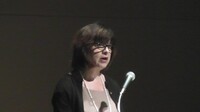
“I giapponesi hanno avuto per ben cinque volte le esposizioni al nucleare: Hiroshima, Nagasaki, Atollo di Bikini (Daigo Fukuryu-maru), Tokaimura (l’incidente alla centrale atomica della JOC nel 1999), poi Fukushima. Per le prime tre siamo stati vittime, ma con Fukushima siamo diventati, purtroppo, i veri carnefici inquinando il Pianeta”. Ricorda Chizuko Ueno, nota sociologa giapponese, dal palco della sessione plenaria di chiusura. “Ma, questa conferenza mi ha dato fiducia su tre punti: Uscire dal nucleare è possibile; le alternative al nucleare sono a portata di mano; e infine, forse noi cittadini siamo in grado di decidere il nostro futuro e di assumercene la responsabilità smettendo di delegare ai politici”.
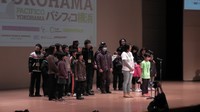
11.500 partecipanti in due giorni contro i diecimila che gli organizzatori speravano; in più oltre centomila da tutto il mondo l’hanno seguito per Internet TV; Una cinquantina sono state le sessioni tra le conferenze e i concerti live, le proiezioni dei film e le performance artistiche, tutte le sale riempite; Erano accompagnate da più di cinquanta incontri di vario genere e da numerosi banchetti e dalle iniziative collaterali per i bambini e gli adulti, autogestiti da un centinaio di gruppi e associazioni, giapponesi e non. (Tra questi c’erano una ventina di gruppi venuti da Fukushima); Nel pomeriggio di sabato, invece, circa cinquemila cittadini hanno attraversato in centro di Yokohama formando un corteo contro il nucleare. Una kermesse assistita da circa trecento volontari.
Sono le cifre della Global Conference for a Nuclear Free World, promossa da sei organizzazioni non governative giapponesi, quali Peace Boat, Institute for Sustainable Energy Policies (ISEP) Green Action, Citizens’ Nuclear Information Center, FoE Japan e Greenpeace Japan, aperta dalle 13 del sabato 14 fino alle 20.30 della domenica 15 al Pacifico Yokohama, una grande struttura congressuale vicino allo storico porto. Un notevole successo, si può definire, considerati pochi mesi che hanno avuto per prepararlo tutto.

Azioni locali in collegamento globale che partono dal basso: la democrazia
Essendo un evento per promuovere l’uscita dalla dipendenza dal nucleare, naturalmente, c’erano diverse sessioni dedicate alle fonti rinnovabili. Di particolare interesse è stata una serie di presentazioni multimediali fatte dai giovani giapponesi che hanno girato il mondo a bordo della Peace Boat - l’ong giapponese che gode di uno statuto consultivo nella categoria speciale nel Consiglio Economico e Sociale delle Nazioni Unite -, che durante la crociera organizza varie visite formative, per esempio, in villaggi ecologici e nelle scuole molto impegnate nell’educazione ambientalista.
Tuttavia, diversi relatori hanno ribadito che qui ad essere messa in discussione non era, in realtà, la scelta delle fonti energetiche bensì del loro controllo. In altre parole, contrapporsi al nucleare comporta per forza un cambiamento radicale nella società e nel rapporto con la politica da parte di singoli cittadini. “Dobbiamo smettere di delegare agli altri le decisioni sulle questioni così importanti come il nucleare”, sottolineavano la sociologa Ueno e altri relatori.
In concreto?
Il primo passo andrebbe fatto al livello locale.
Innanzi tutto, si notava che dopo Fukushima nel parlare dei problemi relativi al nucleare era sparita ogni forma di distinzione tra i due usi del nucleare, pacifico e militare. E attraverso un confronto tra i vari casi accaduti nel mondo, era evidente che tutte le numerose vittime del nucleare, dai bombardamenti agli esperimenti, dall’estrazione dell’uranio alla manutenzione delle centrali e il trattamento delle scorie oltre agli incidenti nelle centrali, in Giappone e altrove, vengono sempre negati i diritti umani fondamentali: i diritti alle informazioni esatte e in tempo reale per tutelarsi la salute, i diritti alle cure adeguate o alla vita normale – eventualmente anche di rifuggirsi – nonché i diritti al risarcimento, come ora succede a tanti abitanti di Fukushima. Tutto a nome della sicurezza nazionale (ovvero dei segreti militari). Di rado, invece, gli enti locali direttamente coinvolti, hanno una voce in capitolo e si trovano in condizioni di non poter tutelare la vita degli abitanti nel proprio territorio. Fukushima ne offre così tanti episodi allucinanti.
Appunto, dalla solidarietà con Fukushima sta nascendo un network dei rappresentanti degli enti locali. La Conferenza ha offerto una piattaforma proficua per lanciare una nuova rete: presto verrà annunciata ufficialmente la costituzione di un coordinamento de “I sindaci per un mondo libero dal nucleare”, prendendo come modello “I sindaci per la pace”. Una dozzina di rappresentanti degli enti locali presenti all’evento sono convinti che unendo le forze e stringendo i rapporti orizzontali si riesca a cambiare la situazione.
E il network si estenderà oltre ai confini nazionali, anche perché la radiazione li ignora totalmente.
La conferenza era globale non solo di nome e grazie alla presenza di oltre cento stranieri provenienti da trenta paesi sparsi nel mondo, bensì per lo spirito con cui si affrontava il tema. Fukushima costituiva un punto di riferimento comune per tutti e aveva dato una scossa ai movimenti già esistenti e svegliato gli altri provocando delle reazioni multiple.
Dalla vicina Corea del Sud, ad esempio, è partita un’iniziativa di lanciare un appello con 311 firme dei personaggi più o meno noti (il numero 311 viene dalla data del terremoto, l’11 marzo). L’idea in principio era di unire 100 firme sudcoreane con altrettante sottoscrizioni dei giapponesi e dei cinesi. Perché, attualmente, il Giappone ha 54 reattori e la Corea del sud ne ha 21 a cui si aggiungeranno presto altri 7, mentre in Cina oggi contano solo 14 ma si prevede un aumento vertiginoso con una trentina in costruzione. Già ora, i tre paesi insieme costituiscono un’area di più alta concentrazione delle centrali sul Pianeta. I coreani sperano nella collaborazione tra i tre paesi, soprattutto nella speranza di frenare la corsa alla atomica da parte della Cina, dove i movimenti civili sono ancora molto limitati come confermano i due rappresentanti cinesi dell’attivismo antinucleare presenti alla conferenza.
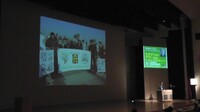
Dalla Giordania, uno dei paesi a cui il Giappone sta cercando di vendere impianti nucleari made in Japan (gli altri paesi attualmente corteggiati da Tokyo sono la Turchia, Lituania e Vietnam), sono venuti due parlamentari e un’avvocatessa. "In Giordania, non ci sono né soldi né le risorse idriche tanto meno la sicurezza. Neanche l’uranio, abbiamo molto meno di quanto si crede”. Ad affermarlo è Jamal Gammoh, parlamentare e il presidente della Commissione Energia e Risorse minerali. “Sui 120 parlamentari già 64 hanno firmato una petizione contro la costruzione della centrale”. Dopo la Conferenza i tre giordani faranno i lobbying per convincere gli omologhi giapponesi.
L’inizio di una rivoluzione silenziosa delle mamme e dei bambini
La conferenza ha avuto una durata piuttosto breve, meno di 18 ore. Eppure, al termine degli incontri, si aveva una sensazione di aver assistito a una manifestazione di alcuni giorni. Forse era dovuto alla densità di ciascun incontro o all’entusiasmo che si respirava dentro il padiglione di quattro piani.
Un altro motivo potrebbe essere l’impostazione interattiva delle sessioni, inconsueta per una conferenza di questa dimensione. In ogni sessione - con l’eccezione delle sessioni plenarie nella main hall -, all’inizio e alla termine dell’incontro i partecipanti in platea venivano invitati a dialogare con le persone che si sedevano accanto per pochi minuti. Lo scopo era facilitare la conoscenza reciproca e stimolare la comunicazione. Inoltre, prima di uscire dalla sala, ci veniva chiesto di scrivere una proposta concreta o una domanda concepita durante la sessione su un foglietto di post-it distribuito, sia per fissare nella mente le impressioni del momento attraverso la scrittura sia per incoraggiare a contribuire al brain storming. Si portava poi i foglietti scritti ad attaccare sui pannelli posti in un apposito spazio: “una foresta di azioni per un mondo libero dal nucleare”. Infatti, sui pannelli erano disegnati gli alberi sfogli, e i foglietti post-it attaccati si trasformavano in foglie. Dopo la conferenza, il progetto della foresta passa sul Internet con sette categorie: 1. azioni urgenti per Fukushima; 2. nuovi network delle azioni; 3. i compiti del governo giapponese; 4. i compiti di tutti i governi; 5. ciò che possono fare gli enti locali; 6. ciò che possono fare le aziende; 7. quello che ogni singolo cittadino può fare.
Il sito in bilingue di giapponese e inglese appena attivato – del tipo twitter – dovrebbe consentire a tutti di partecipare, condividere o coordinare le azioni. Come dice il titolo della sessione conclusiva “Cominciamo!”, questo insieme a tutti i contatti e le conoscenze acquisite durante la conferenza, dovrebbe dare inizio a una nuova stagione dei movimenti antinucleari.
Alla conferenza stampa finale, più persone hanno fatto riferimento alla rivoluzione della Primavera araba, perché la mobilitazione, nei giorni precedenti all’evento snobbata dalla maggior parte dei mass media, è riuscita grazie all’Internet.
Sarà dovuto anche al fatto che c’era un’atmosfera quasi gaia e distesa, si spiccava una prevalenza dei giovani sugli anziani, soggetti tradizionalmente principali delle manifestazioni politiche in Giappone. La presenza delle giovani generazioni era nota anche nelle ultime grandi manifestazioni “Addio al nucleare”; La partecipazione di molte famiglie in completo, tante donne quanti uomini, insomma, tutti i componenti in proporzioni equilibrate come una società normale è composta, in Giappone diversamente dall’Italia, è un fenomeno nuovo, o almeno non si vedeva dai tempi dei movimenti contro la Guerra del Vietnam.
Chissà se riuscirà ad evolversi in un fenomeno sociale esteso. L’11 marzo potrà essere ricordato dalle future generazioni come l’inizio di una nuova epoca? Sicuramente, ci troviamo nel bel mezzo di un periodo assai determinante per la sorte del Pianeta riguardo al nucleare.
Vedi anche
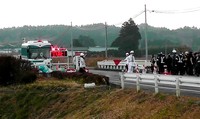 Semi sotto la nevePartire da Fukushima per trovare un'uscita di sicurezza definitiva dal nucleare
Globral Conference for a Nuclear Free World @ Yokohama IL DRAGONE RIUSCIRA' A CACCIARE VIA IL NUCLEARE?
tra il 14 e 15 ha luogo la prima conferenza mondiale delle societa' civile che desiderano dire Addio definitivo all'energia nucleare14 gennaio 2012 - Yukari Saito