Are we supporting the war to defend populations and save human lives?
Below is a summary of an article by Alessandro Marescotti, president of PeaceLink, on the announced counteroffensive in Ukraine. Both ethical (the “just war”) and pragmatic (costs/benefits of war) issues are raised.
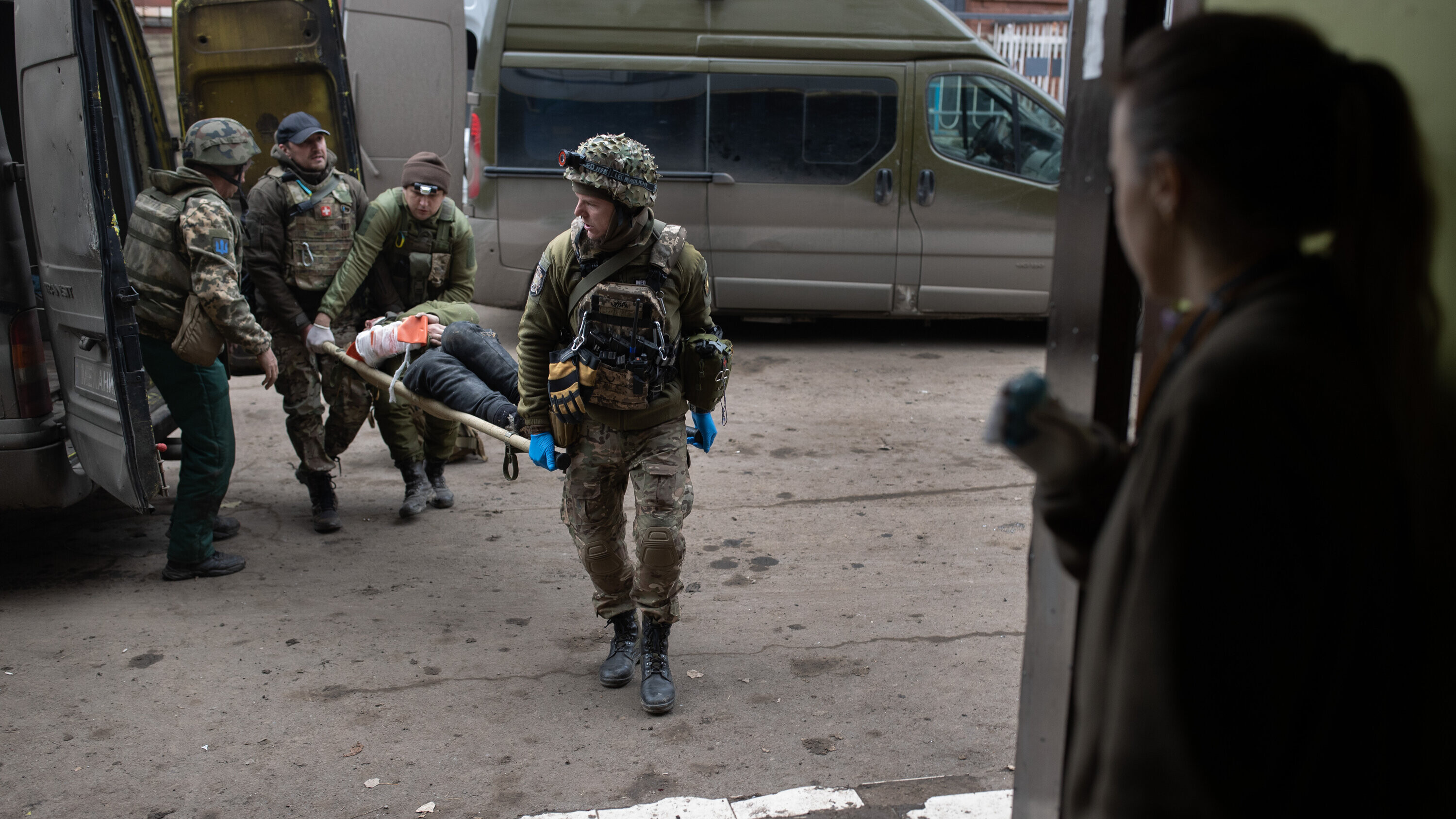
The article is from a writing workshop and discusses questions posed to an Artificial Intelligence about the costs and benefits of continuing the war. The first question asked was: “Is the future of war expected to be more or less bloody?” The second question was: “Will the counteroffensive provide greater security for civilians?”
The article goes on to discuss whether the war is being supported to defend populations and save human lives. It also mentions a response from Bing’s Artificial Intelligence that it could not find specific information regarding predictions about the future of the war in Ukraine. The situation is complex and constantly evolving, and it is not possible to predict with certainty whether the conflict will become more or less bloody than in the past.
The article also poses another question: “Will the counteroffensive provide greater security for civilians?” The response from Bing’s Artificial Intelligence was that it could not find specific information regarding the impact of the Ukrainian counteroffensive on the security of civilian populations. Military operations can pose risks to civilian populations and can have long-term repercussions on security and stability in the region.
The article concludes by questioning whether new weapons will serve to defend populations and save human lives, and where the ethics of a “just war” have gone. It also mentions a statement by Zelensky in the Wall Street Journal that an offensive is ready but many soldiers will die.
Articoli correlati
 Albert, bollettino pacifista internazionale
Le torture nascoste nei reparti d’assalto ucraini
Un’inchiesta scuote l’esercito di Kiev. Tra i reparti d’assalto impiegati in battaglie chiave come quella di Kostjantynivka, il 425º reggimento è finito sotto accusa per un sistema di torture e morti sospette. Verrebbero sistemate mine attorno ai reparti per evitare che i soldati ucraini disertino.19 July 2026 - Redazione PeaceLink- Albert, bollettino pacifista internazionale
Ucraina: la rivolta delle piazze contro il "tritacarne" militare
Il siluramento del popolare ministro della Difesa Fedorov accende proteste senza precedenti a Kiev e in altre città ucraine. Al centro della rabbia dei manifestanti e dei familiari dei soldati c'è la strategia del Comandante in Capo Syrskyi, accusato di sacrificare troppe vite umane.18 July 2026 - Redazione PeaceLink  Un'analisi pacifista
Dronofobia, cosa sta realmente accadendo nella guerra in Ucraina
La guerra dei droni non viene raccontata con sufficiente profondità. Genera infatti un trauma psicologico nella vita di milioni di persone, sia soldati sia civili. La precisione dei droni ha reso la guerra molto più letale aumentando il rapporto fra soldati uccisi e feriti.15 July 2026 - Redazione PeaceLink Le due facce della guerra in Ucraina
Combattenti e disertori
Da una parte c’è chi combatte e proclama la propria fede nella guerra, dall’altra c’è chi si rifiuta di combattere e viene reclutato con la forza13 July 2026 - Ida Merello


sociale.network