Third day of the NATO nuclear exercise "Steadfast Noon"
 INTERNATIONAL PEACE BULLETIN ALBERT

15 October 2026
Italy at the centre of the simulation of a nuclear war
Today marks the third day of the NATO nuclear exercise Steadfast Noon. This year, Italy is the true strategic hub and fulcrum of the entire military operation, with the skies of the peninsula converted into flight corridors and simulated ranges to train NATO pilots in the use of B61-12 atomic bombs.
While NATO defines the nuclear exercise as a "routine for deterrence purposes", the international context sees a complete absence of arms control treaties: the INF has lapsed and the New START has not been renewed, and even the minimal channels for de-escalation are missing.
Who is participating: ICAN's data on Finland and Sweden
As highlighted by the international network ICAN (International Campaign to Abolish Nuclear Weapons), the 2026 edition involves 17 countries, including the two new Nordic members, Finland and Sweden. Their integration into the nuclear tactical and logistical support manoeuvres represents another step towards the expansion and standardisation of nuclear capabilities across the entire European region.
Pacifist mobilisation in Germany
There are strong voices of opposition. In Germany, the peace movement has taken to the streets: a major protest demonstration took place in front of the Büchel base (where US warheads are stored), while a new mobilisation is called at the Nörvenich. German pacifists are demanding the immediate withdrawal of atomic weapons from European soil and a refusal to participate in nuclear attack plans.
Protests in Italy
In Italy, the start of the NATO Steadfast Noon mega-exercise (which began on 13 October 2026) has raised strong protests and political and pacifist controversies. Criticism is mainly focused on the risks associated with simulating a nuclear war scenario in Italian skies and the initial lack of transparency from the institutions. A parliamentary inquiry has been presented by the Greens.
Nuclear bases in Europe and the Non-Proliferation Treaty (NPT)
In Europe, there are approximately 100 US tactical nuclear bombs of the B61 model allocated in 5 NATO countries:
-
Italy (Aviano and Ghedi)
-
Germany (Büchel)
-
Netherlands (Volkel)
-
Belgium (Kleine Brogel)
-
Turkey (Incirlik)
The blatant violation of the NPT (Article 2)
The mechanism of the so-called "nuclear sharing" of NATO clashes head-on with the Non-Proliferation Treaty (NPT).
-
Article 1 of the NPT prohibits nuclear-armed states from transferring atomic weapons or their control to non-nuclear countries.
-
Article 2 establishes the commitment for non-nuclear states (such as Italy or Germany) to not receive nuclear weapons from anyone nor control over them, neither directly nor indirectly.
Training Italian or German pilots to drop US atomic bombs on national aircraft circumvents the substance of the Treaty through a risky legal quibble (according to NATO, the treaty would not apply in wartime), transforming formally "non-nuclear" countries into targets and atomic executors in every respect.
The 5 Italian bases for today's flight operations
For the Steadfast Noon exercise, the reserved military air corridors in Italy (as noted in the ENAV air navigation notices) pivot on 5 main bases from which the fighters and escorts take off.
-
Ghedi (Brescia): Home of the 6th Wing of the Air Force. It is the Italian storage site for B61 bombs and an attack base.
-
Aviano (Pordenone): US Air Force base (31st Fighter Wing), the second Italian storage site for US B61 nuclear warheads.
-
Amendola (Foggia): Home of the 32nd Wing, the first Italian base to have the stealth fighter F-35A operational.
-
Gioia del Colle (Bari): Home of the 36th Wing with Eurofighter Typhoon fighters, used for air protection (escort and suppression of enemy defenses).
-
Trapani Birgi: Home of the 37th Wing, a strategic hub in the Mediterranean for support and reconnaissance operations.
F-35, B61-12 and the state of nuclear integration
The "invisible fighter" and the bombs in the bay
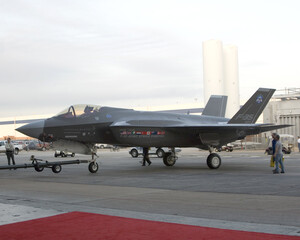
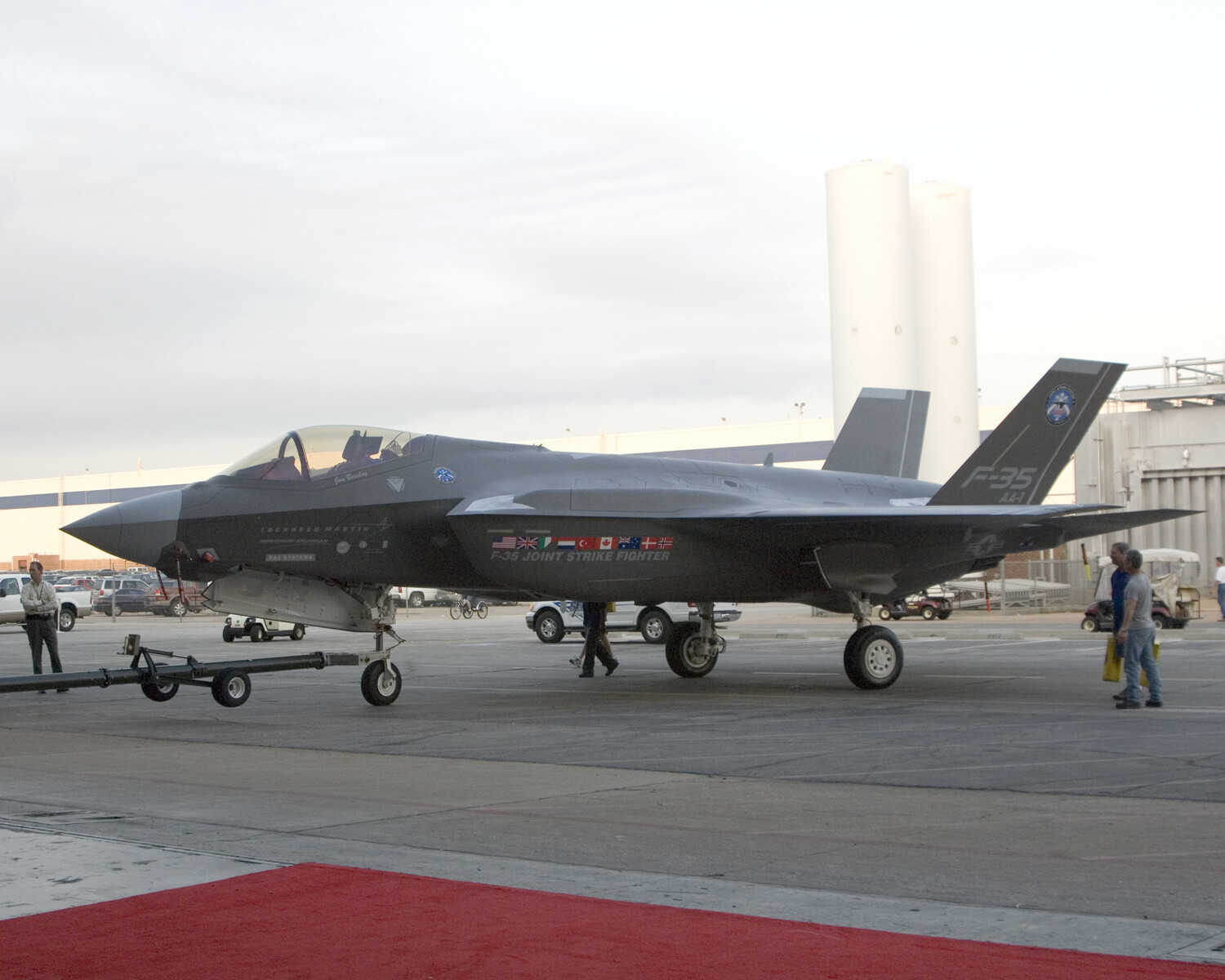
The F-35A Lightning II has been designed to carry up to two B61-12 nuclear bombs within its internal bay. Unlike previous generation fighters (which carry munitions under their wings, increasing radar signature), the F-35 can carry them concealed in the belly of the fuselage, maintaining its stealth characteristics and invisibility to radar.
Who carries out the "nuclear strike"? The situation of Italy, Germany and the Netherlands
A careful analysis of armament programmes confirms the status of certifications:
-
Netherlands leading the way: the Netherlands is the first NATO European nation to have officially completed certification for the nuclear mission on its F-35A, taking the lead role in the exercise with next-generation fighters.
-
Italy and Germany still on Tornados: although Italy has F-35s already operational at a conventional level in Amendola and Ghedi, the Italian Air Force — just like the German Luftwaffe — still relies on the veteran PA-200 Tornado for simulating the primary role of nuclear bomber in the exercise. The Tornados remain the platforms currently qualified for the transport and release of B61s in the two countries, pending the full nuclear operational certification of the F-35 fleet intended for nuclear sharing.
Let us disarm the madness
The exercise Steadfast Noon normalises the inconceivable: training for mass destruction. Italy must not be the launch pad for World War III. Refusing nuclear sharing and signing the TPNW (Treaty on the Prohibition of Nuclear Weapons) is the only way to achieve real international security.
Articoli correlati
 Albert, bollettino pacifista internazionale
Terzo giorno dell'esercitazione nucleare NATO "Steadfast Noon"
L'Italia al centro della simulazione di una guerra nucleare. Gli F-35 olandesi sono in grado di portare nella stiva due bombe atomiche B61-12 e di rendersi "invisibili" mentre i Tornado italiani e tedeschi mostrano le bombe atomiche sotto le ali.15 October 2026 - Redazione PeaceLink Growing opposition to NATO's Steadfast Noon nuclear exercise
"Are you organizing any kind of protest against NATO nuclear exercise?"
There has been a strong condemnation at all levels of the NATO nuclear exercise over Italian skies. Here's a look at those who have spoken out against the exercise and those who are taking action, from leafleting to demanding contingency plans in the event of a nuclear war.14 October 2026 - Redazione PeaceLink- Crescono le prese di posizione contro l'esercitazione nucleare NATO Steadfast Noon
"Esercitarsi all'uso di armi nucleari è sconsiderato e irresponsabile"
Netta condanna a tutti i livelli dell'esercitazione nucleare NATO sui cieli italiani. Ecco una rassegna di chi si è espresso contro l'esercitazione e di chi sta passando all'iniziativa, dal volantinaggio alla richiesta dei piani di emergenza in caso di guerra nucleare.14 October 2026 - Redazione PeaceLink  Scheda storica
L'uomo che salvò il mondo dall'apocalisse nucleare: la storia di Stanislav Petrov
Quella notte Petrov si trovava di turno come ufficiale in capo di un bunker segreto a sud di Mosca. Poco dopo la mezzanotte le sirene iniziarono a suonare e il computer centrale indicò che gli Stati Uniti avevano lanciato un missile balistico intercontinentale verso l'Unione Sovietica.14 October 2026 - Redazione PeaceLink


sociale.network