The delays of the European Commission on PFAS: the Court of Auditors intervenes
We are talking about eternal chemical substances that now contaminate the environment, water, our food, and even the blood of citizens.
Many environmental associations and some member states (such as Sweden) are pushing for an immediate and total ban on all families of PFAS, while Brussels' action has so far moved through the REACH Regulation, provoking complaints of slowness and regulatory timidity. [1, 2, 3]
In March of this year, the President of the European Commission Ursula von der Leyen was strongly criticised for not meeting with the No-PFAS movements.
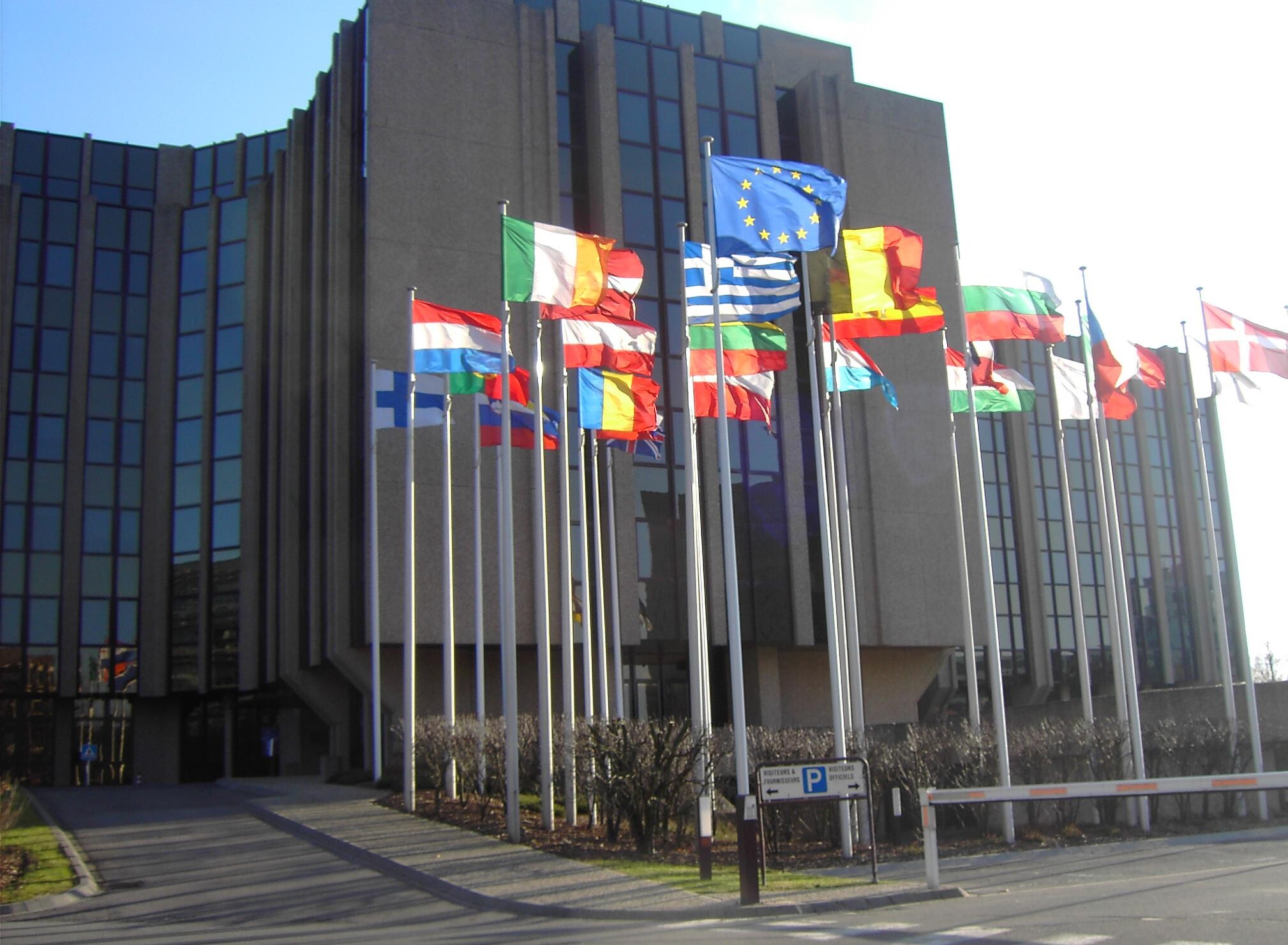
The protest took place in Brussels during the Stop PFAS Forum. A delegation composed of 26 citizens and activists from the main contamination hotspots in Italy (including the Italian Veneto movement of Mamme No PFAS), France, Germany, Belgium, Denmark, and the Netherlands went to the headquarters of the community institutions. The President's cabinet declined the appointment citing a sudden "overlap of commitments". The activists demonstrated outside the Commission building displaying banners with slogans such as “Von der Leyen meets those who poison us and ignores us”, accusing the EU leadership of listening more to the chemical industry lobby than to the requests of contaminated citizens. [1, 2, 3]
The European Court of Auditors has therefore decided to examine the EU's strategy against PFAS.
With a special report, the European control body has initiated a detailed audit to answer a question many are asking: Is Brussels being too lenient towards the industrial giants of chemistry?
The discussion, led by Court member Joëlle Elvinger, touches a raw nerve. The aim is to verify whether the limits imposed for food and drinking water in the 27 member states are truly in line with the latest scientific evidence or if the EU leadership has preferred the path of compromise.
Why is the European Court of Auditors getting involved?
The European Court of Auditors is known as ECA (European Court of Auditors).
At first glance, it may seem strange that a control body is dealing with pollution and public health. In reality, the role of the Court goes far beyond accounting verification. The auditors carry out so-called "Performance Audits", which are checks on the effectiveness of public policies. In practice, they verify whether the laws and programmes funded with taxpayers' money achieve the promised objectives.
Since the EU budget directly funds control agencies such as ECHA and EFSA, the Court has the full right to assess whether these resources are spent to ensure the maximum possible safety. The management of PFAS thus becomes the ideal case study to measure the real responsiveness of European bureaucracy in the face of alarms documented by science.
Articoli correlati
 I limiti per gli alimenti e l’acqua potabile nei 27 Stati membri sono efficaci?
I ritardi della Commissione Europea sui PFAS: interviene la Corte dei Conti
Per il 18 novembre è atteso l'intervento della Corte dei conti europea. La UE è accusata da diverse associazioni ambientaliste di aver preferito la via del compromesso per quelle sostanze chimiche eterne che ormai contaminano l'ambiente, i nostri cibi e persino il sangue dei cittadini.10 November 2026 - Redazione PeaceLink Base di Aviano
La contaminazione da PFAS nella pianura pordenonese
Una ricostruzione cronologica basata su dati, contratti e documenti pubblici italiani e statunitensi12 August 2026 - Francesco Iannuzzelli Inquinamento militare
La schiuma che avvelena: AFFF, PFAS e il silenzio attorno alle basi militari americane in Italia
Un'inchiesta sui "forever chemicals" nelle basi USA, il caso Sigonella e i contratti governativi che raccontano una storia rimasta nascosta. Gli accordi militari SOFA (Status of Forces Agreement) creano un regime separato che sottrae le basi USA alla giurisdizione ambientale dei paesi ospitanti.6 June 2026 - Francesco Iannuzzelli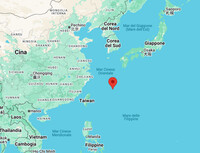 Una schiuma bianca esce dai tombini: contiene PFAS
L'inquinamento nella base USA di Okinawa
In queste settimane è scontro fra i cittadini giapponesi di Okinawa e i militari. Il governo americano ha infatti negato l'accesso alle basi per condurre accertamenti ambientali. L'isola di Okinawa è a sud del Giappone ed è in un punto strategico per controllare la Cina.27 May 2026 - Redazione PeaceLink


sociale.network