The embarrassing NATO summit in Ankara
Hosting the NATO summit in Ankara means celebrating the unity of the Alliance in a country that systematically tramples its founding principles. It is a paradox that deserves to be highlighted.
The NATO founding charter: a dead letter
The North Atlantic Treaty, in Article 2, commits the Parties to "strengthen their free institutions" and to "encourage stability and well-being". The Preamble explicitly invokes "faith in the principles of democracy, individual freedoms, and the rule of law". Values that Erdoğan's Turkey has systematically dismantled.
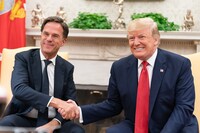
Human rights denied: a damning record
Here are some data and facts that do not seem to embarrass NATO leaders gathered in Ankara.
-
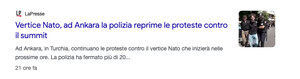
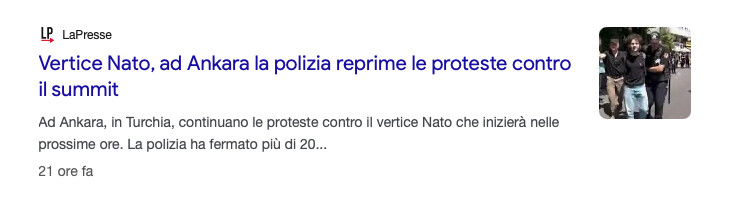
Journalists and dissidents in prison: Turkey is a prison for journalists. Hundreds of information professionals are detained on charges of "terrorism" for simply doing their job. But this does not seem to receive the necessary attention in RAI reports, despite the protests in Turkey in recent days, which have also come at a high price for Turkish journalists.
-
The Kurdish issue: legally elected parties, such as the HDP, with a progressive orientation, have been decapitated by mass arrests; democratically elected mayors in the predominantly Kurdish southeast have been removed and replaced by government commissioners. A denial of the principle of self-determination and democratic representation.
-
Democratic spaces erased: the anti-terrorism law is used as a club against any form of dissent: academics, minority rights activists, human rights defenders. Turkey is among the countries with the highest number of convictions imposed by the European Court of Human Rights, rulings that Ankara systematically ignores.
-
Permanent state of emergency: although formally revoked, its repressive provisions have been transposed into ordinary legislation, creating a regime of total control over civil society and political opposition.
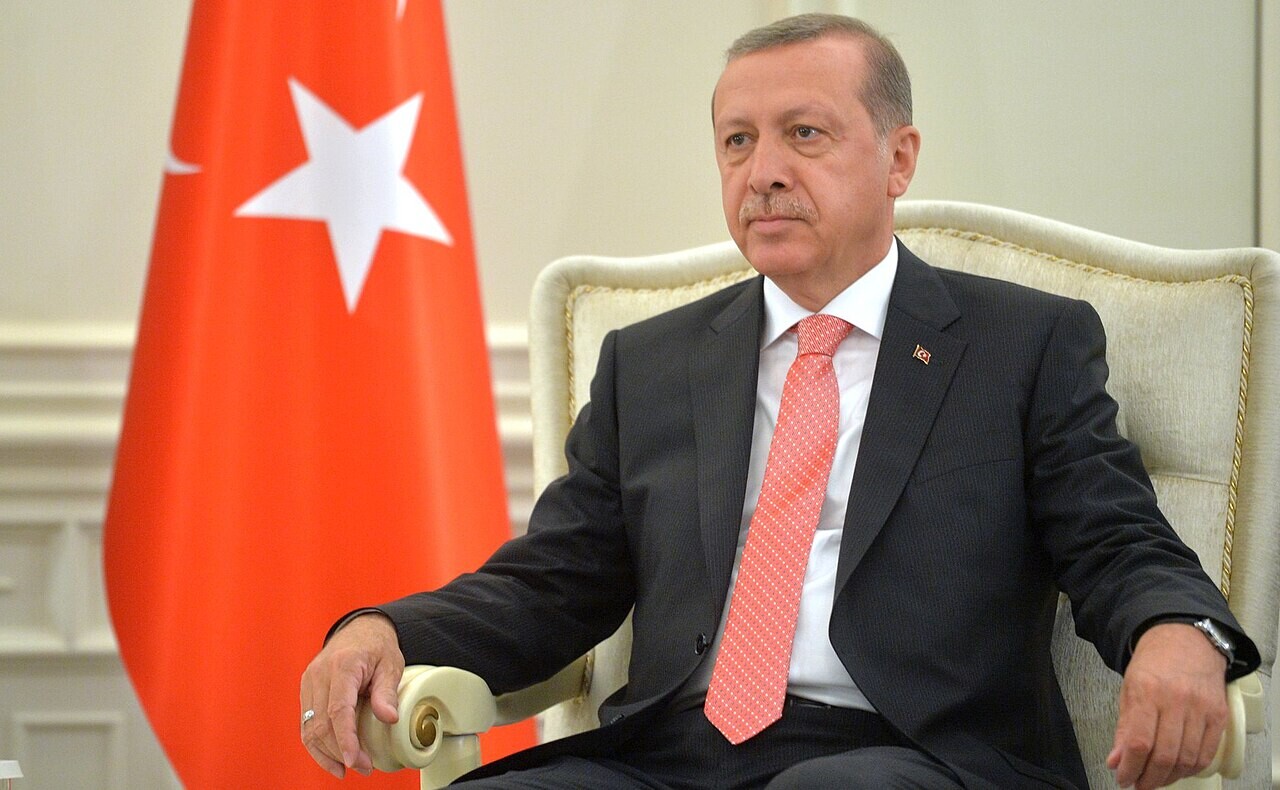
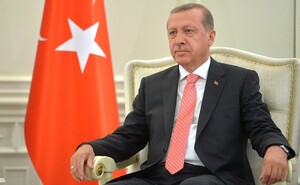 The Turkish Prime Minister ErdoganSource: https://it.wikipedia.org/wiki/Recep_Tayyip_Erdo%C4%9Fan#/media/File:Vladimir_Putin_and_Recep_Tayyip_Erdo%C4%9Fan_(2015-06-13)_3.jpg
The double standard policy
How can an Alliance that proclaims itself a "community of values" for freedom and democracy hold its summit in a country that has turned its judicial system into a weapon against its citizens? Hypocrisy reaches its peak when the same leaders who shake hands with Erdoğan in Ankara deliver solemn speeches on democracy and human rights in their respective national parliaments.
Let us briefly recall what the double standard is.
The double standard (or "double standards") is the application of different rules or criteria of judgment for identical or very similar situations, depending on the circumstances.
The truth, unfortunately, we must acknowledge once again for the sake of truth, is that NATO has long been a military alliance where only realpolitik matters, to the detriment of consistency and to the benefit of the hypocritical double standard policy. Article 2 of the NATO Treaty - that on strengthening freedoms - has been reduced to scrap paper. And Turkish civil society, which fights bravely, is abandoned to its repressive fate in the name of Atlantic realpolitik.
Documentation appendix
- Selahattin Demirtaş: former co-leader of the pro-Kurdish HDP, he was arrested in 2016 and remains detained despite multiple rulings from the European Court ordering his immediate release due to the political nature of his detention.
- Osman Kavala: philanthropist and human rights activist, arrested in 2017. He is serving a life sentence, considered by international organisations as retaliation for his commitment to civil society and his criticisms of the government.
- Fatih Altaylı: journalist, sentenced to more than 4 years in prison for alleged threats to President Erdoğan during an online broadcast, currently in prison awaiting appeal.
- Kayhan Ayhan: journalist for the opposition newspaper BirGün, arrested and subjected to restrictions for following the trial of Istanbul mayor Ekrem İmamoğlu, the main political opponent of the government.
- Hazar Dost: journalist arrested in Istanbul for his past coverage and participation in public protests.
- Demirtaş v. Turkey (2020 and subsequent): the Grand Chamber of the ECHR ruled that the prolonged detention of the political opponent violates Article 18 of the Convention (limitation of rights for political purposes) and Article 5 (right to liberty and security), demanding his immediate release.
- Kavala v. Turkey (2022): the ECHR condemned Ankara for violating the right to liberty (Article 5) and for imprisoning the well-known activist in the absence of reasonable evidence, with the aim of silencing him.
- Alpay v. Turkey (2018): the Court ruled that the pre-trial detention of the well-known journalist Şahin Alpay violated his right to personal liberty (Article 5) and freedom of expression (Article 10), declaring the arrest unfounded.
- Altan v. Turkey (2018): similarly to the Alpay case, the Court condemned Turkey for arresting and prosecuting writer and journalist Mehmet Altan without evidence justifying his involvement in crimes, violating his freedom of expression.
- Yalçınkaya v. Turkey (2023): a landmark ruling from the Grand Chamber that established how the use of evidence based on membership in civil movements or the use of messaging apps violates the principle of legality (Article 7) and the right to a fair trial (Article 6), highlighting a systemic problem in the Turkish judicial system.
Articoli correlati
 Albert, international pacifist bulletin
Ukraine: the uprising of the squares against the military "meat grinder"
The sacking of popular Defence Minister Fedorov has sparked unprecedented protests in Kyiv and other Ukrainian cities. At the heart of the anger from protesters and the families of soldiers is the strategy of Commander-in-Chief Syrskyi, accused of sacrificing too many human lives.18 July 2026 - Redazione PeaceLink- Albert, bollettino pacifista internazionale
Ucraina: la rivolta delle piazze contro il "tritacarne" militare
Il siluramento del popolare ministro della Difesa Fedorov accende proteste senza precedenti a Kiev e in altre città ucraine. Al centro della rabbia dei manifestanti e dei familiari dei soldati c'è la strategia del Comandante in Capo Syrskyi, accusato di sacrificare troppe vite umane.18 July 2026 - Redazione PeaceLink  Il caso del generale Grynkewic, Comandante Supremo della NATO in Europa
Se i generali frenano la psicosi bellica dei politici
Il ministro della Difesa tedesco, il socialdemocratico Pistorius, ha ipotizzato davanti al parlamento un attacco russo all’Europa entro il 2029. Per Macron occorre essere pronti anche a “versare il sangue”. Ma il generale che comanda la NATO europea smentisce tutti con i dati dell’intelligence.17 July 2026 - Redazione PeaceLink Albert, international pacifist bulletin
Gaza, July 2026: the crisis continues amid bombings, hunger, and impunity
As of 17 July 2026, the most reliable quantitative data indicates that the overall Palestinian death toll in the Gaza Strip exceeds 73,000 dead and 173,000 injured since the start of the war on 7 October 2023. In July, the list of journalists killed in Gaza has grown longer.17 July 2026 - PeaceLink staff


sociale.network