New Zealand mobilises: on 20 June, a major march for peace
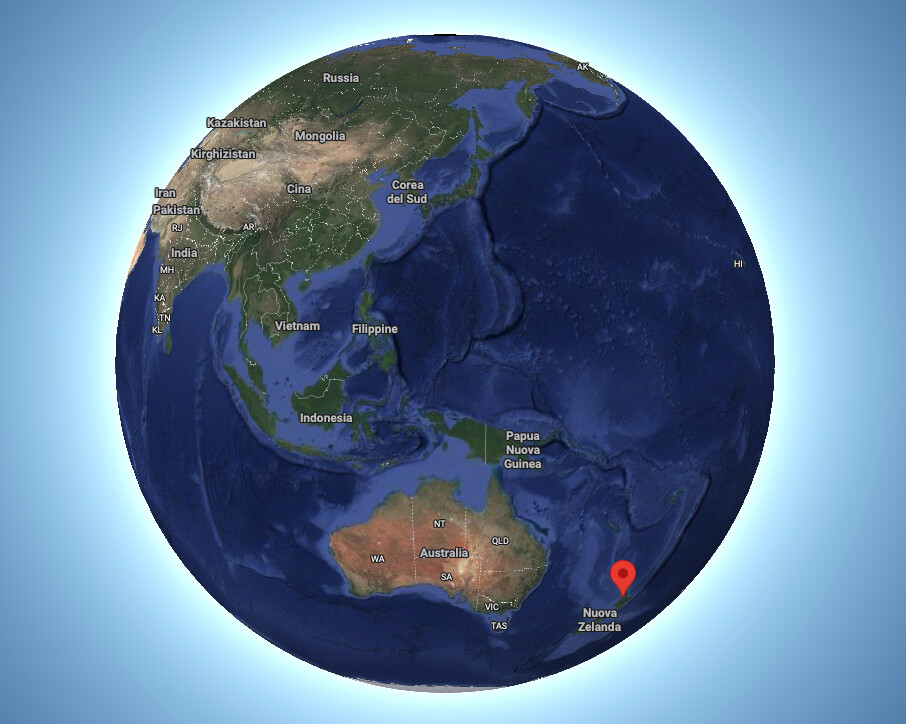
Here is a glossary of terms and organisations mentioned in the article, to provide a clearer understanding of the context.
Geopolitics and international agreements
-
AUKUS: a trilateral security pact launched in 2021 by Australia, the United Kingdom, and the United States. The name is the acronym of the three nations. The agreement is divided into two main pillars:
-
First Pillar (Pillar I): provides for the supply of nuclear-powered submarines to Australia by the United States and the United Kingdom. This nuclear component of the agreement is central to the New Zealand debate.
-
Second Pillar (Pillar II): focuses on cooperation in advanced military technologies, including computing systems, artificial intelligence, autonomous platforms, submarine capabilities, and space surveillance.
-
-
New Zealand's membership in AUKUS: the New Zealand government is currently “assessing” joining the Second Pillar (the non-nuclear one) of the pact.
-
ANZUS Pact: a security treaty from 1951 between Australia, New Zealand, and the United States. The alliance was effectively suspended in the mid-1980s due to New Zealand's nuclear-free policy, which prohibited the entry of nuclear-powered or armed vessels into its ports, leading to a rupture with Washington.
-
“Nuclear-Free”: a fundamental element of New Zealand's identity and foreign policy, enshrined in the “New Zealand Nuclear Free Zone, Disarmament, and Arms Control Act” of 1987. The law prohibits biological and nuclear weapons on New Zealand soil and the entry of nuclear-powered vessels.
-
Indo-Pacific: a geopolitical term referring to the region encompassing the Indian Ocean and the Pacific Ocean, crucial for global trade and becoming an area of increasing strategic competition.
-
War Minerals: in the context of the article, refers to a potential agreement to supply “critical” minerals (essential for the arms and technology industry) from New Zealand to the United States.
Institutes and organisations
-
Anti-War Aotearoa: one of the organising groups of the March for Peace. “Aotearoa” is the Māori name for New Zealand. It is a collective that brings together peace activists and anti-war advocates.
-
Greenpeace Aotearoa: the New Zealand section of the global environmental organisation, also an organiser of the march.
-
International Criminal Court (ICC) and International Court of Justice (ICJ): two different international courts based in The Hague. The ICC prosecutes individuals for war crimes, genocide, and crimes against humanity, while the ICJ resolves legal disputes between states.
-
Hīkoi: a Māori term that refers to a march or journey, often with connotations of social protest or to claim territorial rights.
Key figures and government
-
Christopher Luxon: current Prime Minister of New Zealand, leader of the National Party (in office since 2023). The pacifist movement is calling on him not to involve the country in US war plans.
-
Coalition government: the current New Zealand executive, formed by three parties: the National Party (centre-right) of Luxon, the populist party New Zealand First (NZ First) led by Winston Peters, and the right-wing liberal party ACT.
-
Chris Penk: New Zealand's Minister of Defence. He sparked internal debate by suggesting publicly discussing the historic nuclear-free law in relation to AUKUS nuclear submarines, a position later corrected by Prime Minister Luxon.
-
Winston Peters: Minister of Foreign Affairs and leader of NZ First, with whom there have been internal conflicts within the coalition regarding support for US wars in the Middle East.
---
Albert, pacifist bulletin
https://www.peacelink.it/albert
See also
 Inquinamento militare
La schiuma che avvelena: AFFF, PFAS e il silenzio attorno alle basi militari americane in Italia
Un'inchiesta sui "forever chemicals" nelle basi USA, il caso Sigonella e i contratti governativi che raccontano una storia rimasta nascosta. Gli accordi militari SOFA (Status of Forces Agreement) creano un regime separato che sottrae le basi USA alla giurisdizione ambientale dei paesi ospitanti.6 June 2026 - Francesco Iannuzzelli Global Sumud Land Convoy è a Sirte
La missione civile umanitaria diretta a Gaza è stata bloccata in Libia
Dieci volontari sono sequestrati in Libia. Tra loro due italiani: Domenico Centrone e Leonarda “Dina” Alberizia. Fanno parte di un convoglio che trasporta aiuti, ambulanze, forniture mediche e personale specializzato. Scriviamo per la loro liberazione.6 June 2026 - Redazione PeaceLink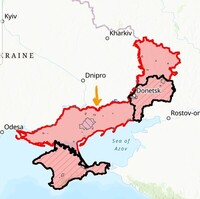 Una verifica sui dati disponibili
Ucraina, la guerra dei numeri e dell'informazione
Da alcune settimane è partita una campagna mediatica per dimostrare che la Russia non sta più avanzando sul campo di battaglia e che l'Ucraina è ora in grado di capovolgere le sorti della guerra. Cosa c'è di vero?6 June 2026 - Redazione PeaceLink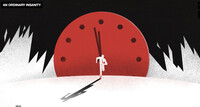 Un potente campanello d’allarme sulla minaccia globale
Una ordinaria follia
Dall'ex consulente e specialista nel campo delle armi nucleari del Pentagono e attivista antinucleare di lunga data Daniel Ellsberg. Un video, un appello stimolante per vietare gli ICBM ora e porre fine alla corsa agli armamenti nucleari.6 June 2026 - Roberto Del Bianco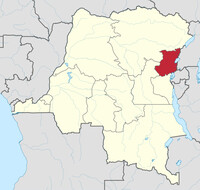 Difficoltà di accesso per gli operatori sanitari
L'epidemia di Ebola in Congo e la guerra
L'insicurezza e la presenza di numerosi gruppi armati hanno fortemente ostacolato gli sforzi per contenere il virus. Va ricordato che il Ruanda da anni cerca di controllare le risorse minerarie congolesi sostenendo le milizie M23. Ed è al confine fra Congo e Ruanda che ha preso origine l'epidemia.4 June 2026 - Redazione PeaceLink Albert, bollettino internazionale per la pace e il disarmo
Cosa è accaduto nel mondo a maggio e cosa possiamo fare di positivo a giugno
Le potenze nucleari ammodernano i loro arsenali. I conflitti militari dilaniano intere regioni del mondo. Ma esistono processi importanti e movimenti della società civile che costruiscono strategie di pace, cooperazione e denuclearizzazione. Scoprili su Albert.2 June 2026 - Redazione PeaceLink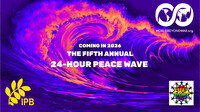 I partecipanti avranno tempo fino al 1° novembre 2026 per presentare video di attivismo per la pace
Peace Wave 2026
L'annuale iniziativa multimediale che racchiuderà i clip video via via inviati dagli attivisti. Un incontro finale via Zoom li diffonderà lungo il corso delle 24 ore seguendo il movimento del Sole intorno alla Terra.2 June 2026 - Roberto Del Bianco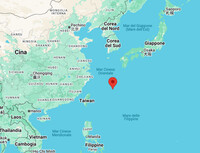 Una schiuma bianca esce dai tombini: contiene PFAS
L'inquinamento nella base USA di Okinawa
In queste settimane è scontro fra i cittadini giapponesi di Okinawa e i militari. Il governo americano ha infatti negato l'accesso alle basi per condurre accertamenti ambientali. L'isola di Okinawa è a sud del Giappone ed è in un punto strategico per controllare la Cina.27 May 2026 - Redazione PeaceLink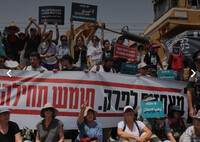 Albert, bollettino internazionale per la pace e il disarmo
Israele: pacifisti sotto assedio ma in crescita
Terzo "People's Peace Summit" all'Expo di Tel Aviv: migliaia di persone si riuniscono nonostante le minacce. Tra i partecipanti, la figura più nota è stata la cantante Noa. L'affluenza è stata tale da registrare il tutto esaurito, segno che il campo della pace non è affatto scomparso.13 May 2026 - Redazione PeaceLink Albert, bollettino internazionale per la pace e il disarmo
Sudan: l'oro del Darfur e le armi degli Emirati Arabi Uniti
L'ONU la definisce "la peggiore crisi umanitaria del mondo". Sotto accusa gli Emirati Arabi Uniti (EAU) per aver armato chi punta a destabilizzare il governo sudanese. L'oro del Darfur viene scambiato con rifornimenti di armi e venduto sul mercato internazionale.4 May 2026 - Redazione PeaceLink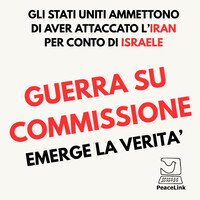 Guerra su commissione, emerge la verità
Gli Stati Uniti ammettono di aver attaccato l’Iran per conto di Israele
Il Dipartimento di Stato USA ha ufficialmente riconosciuto che Washington è entrata in guerra contro l’Iran «su richiesta dell’alleato israeliano». La rivelazione è del consigliere legale Reed Rubinstein. Più di cento esperti di diritto internazionale hanno parlato di violazione della Carta ONU.26 April 2026 - Redazione PeaceLink


Articoli correlati
 Il caso del generale Grynkewic, Comandante Supremo della NATO in Europa
Se i generali frenano la psicosi bellica dei politici
Il ministro della Difesa tedesco, il socialdemocratico Pistorius, ha ipotizzato davanti al parlamento un attacco russo all’Europa entro il 2029. Per Macron occorre essere pronti anche a “versare il sangue”. Ma il generale che comanda la NATO europea smentisce tutti con i dati dell’intelligence.17 luglio 2026 - Redazione PeaceLink Se l'estrema destra andrà al potere in Germania si troverà a guidare l'esercito più potente d'Europa
Dall'auto al cannone: il riarmo tedesco e lo spettro dell'estrema destra
La metamorfosi da locomotiva economica a potenza militare. Torna a pulsare la "questione tedesca" con una forza che non si vedeva dalla fine della Seconda guerra mondiale. Limes dedica il numero 6/2026 alla Germania con un titolo eloquente: "Vogliamo la guerra totale?"14 luglio 2026 - Redazione PeaceLink- Albert - bollettino pacifista internazionale
Mobilitazioni per la pace e contro il riarmo nel Regno Unito
Il movimento pacifista britannico mantiene una presenza attiva e organizzata. Le veglie regolari a RAF Lakenheath e nelle città principali mostrano un impegno costante contro le armi nucleari. La sincronizzazione con le campagne "Stop Rearm Europe" evidenzia un movimento ormai transnazionale.18 giugno 2026 - Redazione PeaceLink - Albert - international pacifist bulletin
UK Peace Mobilizations
Multiple peace events scheduled across Britain in July 2026, including monthly nuclear vigils at RAF Lakenheath, Women in Black demonstrations, and Durham Miners Gala, amid political tensions over defense spending increases.18 giugno 2026 - PeaceLink staff


sociale.network